




Numerical weather prediction models (NWP): The 131-million data point engine behind your weather forecast

Every accurate weather forecast starts the same way: physical equations applied to the Earth’s atmosphere, solved across more than 131 million grid points, powered by supercomputers running at 29 petaflops. Weather models don’t simply predict future weather conditions – they simulate the atmosphere from first principles, encoding atmospheric dynamics, precipitation, solar radiation, and temperature into computer-generated predictions updated every six hours. Fed by observational data from weather stations, weather balloons, doppler radar, and satellites, global models like GFS or ECMWF generate forecasts up to 15 days ahead. From global forecast models to high-resolution mesoscale applications, numerical modeling is the technological foundation of modern meteorology.
Industries: what are the solutions for energy independence?
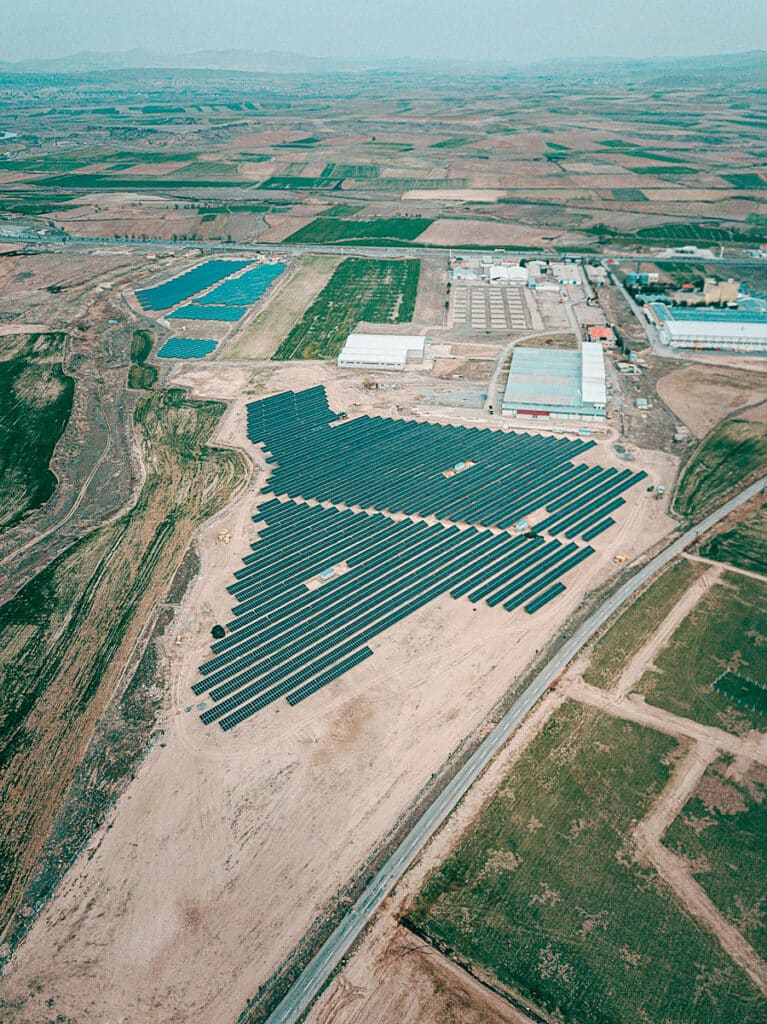
Energy independence refers to a country’s or sector’s reliance in autonomy on external sources – fossil fuel, oil, wind, solar natural gas, to meet its total domestic energy consumption. International statistics show this dependency translates directly into financial exposure, supply chain vulnerability, and geopolitical risk – with consequences close to every sector, from economic development to environment. For industries, investing in renewable energy sources to access cleaner, stable power is no longer optional: it’s a strategic lever for economic stability and long-term resilience.